
This web site outlines the content of a book written by Michael Smith SJ entitled Between Fathers and Sons. Between Fathers and Sons is a program designed for fathers and their adolescent sons. The mission of the program is to help and encourage fathers to foster the ongoing development of their sons into psychologically and spiritually mature men. The Between Fathers and Sons program is a small step in the ongoing process of helping adolescent males grow into spiritually mature men whose lives are grounded in a personal relationship with Jesus Christ. As this is the aim, each session is rooted in the gospel; a time for prayer and personal reflection based on a gospel reading is integrated into each session. The processes used during the program encourage open and honest dialogue between all the participants, especially fathers with their sons. The hope is that the father-son relationship will grow deeper, and each father will be encouraged to continue to nurture and nourish his son’s growth into mature manhood after the program has concluded. The program is not designed as therapy for a father and son whose relationship is severely disturbed. In such circumstances, a combination of family therapy and individual counselling with a professional therapist might be the best option.
The Program
Session 1: The Father-Son Bond
A healthy family is built on a foundation of love, trust, respect and communication among its members. When any of these elements is lacking or absent, the basic structure of the family is on shaky ground. One purpose of this session is to recognise the importance of these basic elements of the family unit and to add to and build upon them with respect to the relationship between adolescent sons and their fathers. For many, this will seem an arduous task. Communication between fathers and adolescent sons may be at a standstill; some fathers and sons go weeks or months without exchanging anything other than basic civilities. As an adolescent “spreads his wings” and gains new freedom, fathers often feel overwhelmed by the choices at their sons’ disposal and fearful of or threatened by the possibility that their sons will make negative choices. Yet the love between a father and son usually does not waiver even in the midst of this difficult time. For example, fathers are still very concerned about their sons’ safety and well-being; adolescents feel the same about their fathers.
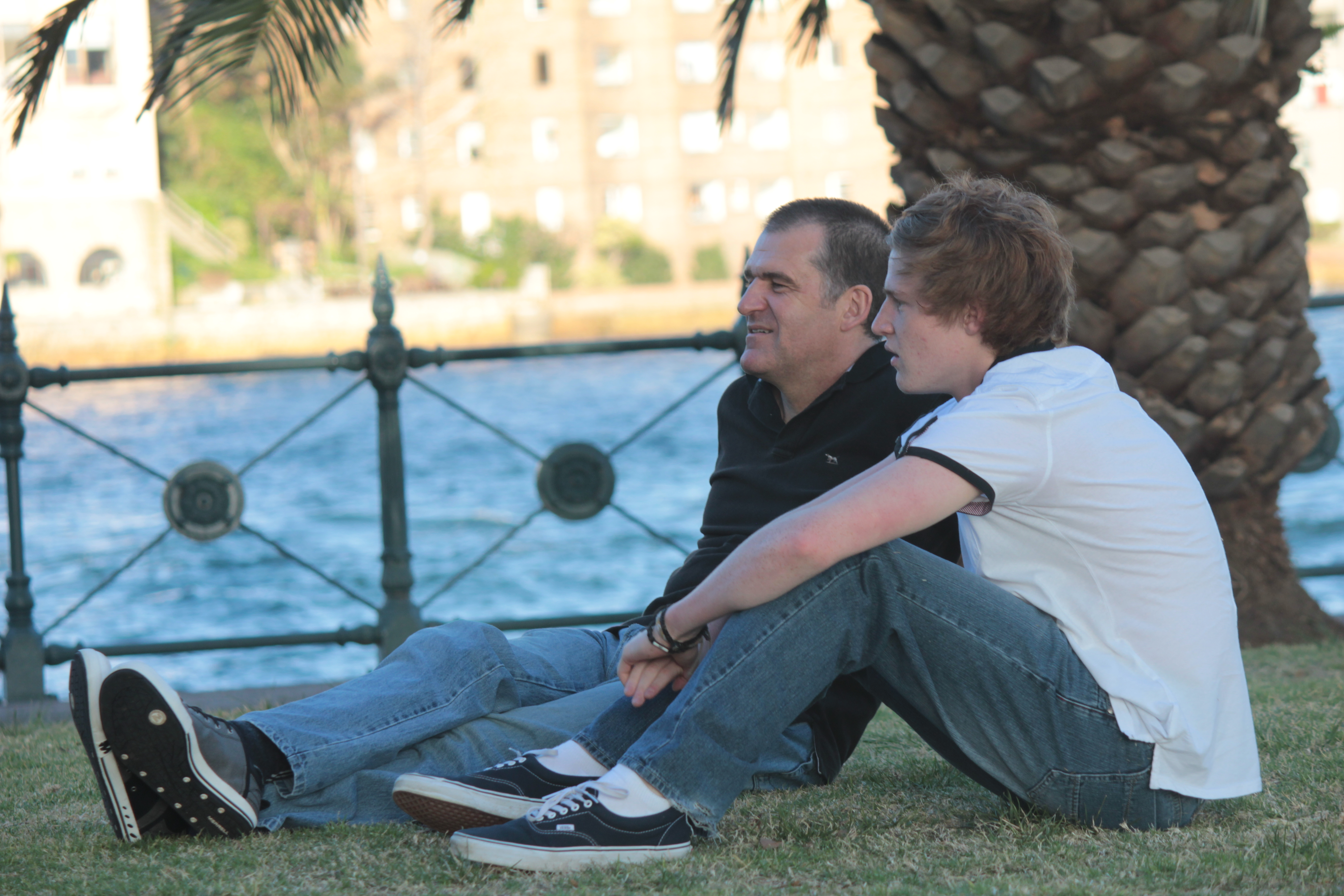
This session helps to reopen or build up the lines of communication between sons and fathers, and by doing so, to reinforce the trust and respect they have for one another. This is an important task that also has spiritual ramifications. Jesus often addresses God as a loving “Abba,” or “Daddy”. The parable of the lost son highlights the love and care of a father for his two sons.
Without day-to-day experience of a father’s love, a son may have difficulty understanding the unfathomable love that God has for each one of us. One of the goals of this session, and the program as a whole, is to help sons to see their fathers as men of faith and as models of a God who loves them without bounds.
Session 2: Becoming a Man
As with any understanding of human development, the notion of “becoming a man” is one that should be examined on many levels. The intent of this session is to help the fathers and sons touch on some of the kinds of development occurring during adolescence and to explore how this development impacts the lives of the teenagers and their relationship with their fathers, now and in the future. Several categories of growth that take place in adolescence are listed during the session.
The particular focus of Session Two, however, is an explanation of four male archetypes. These are descriptions of four models of male psychological behavior: father, seeker, warrior and sage. The archetypes provide a foundation for understanding individual male behaviors and the dynamics of relationships between fathers and sons who may be of differing archetypes.
The archetypes presented in this session were developed by Tad Guzie and Noreen Monroe Guzie in their book About Men and Women.
Often overlooked in the process of becoming a man is an adolescent’s changing religious development and imaging of God. A shift in religious thinking usually occurs during adolescence, paralleling the identity crisis typical of this period. Early adolescence is a time of peer-orientation and self-doubt. It is also the beginning of independent thinking and introspection. Adolescents in the 13- to 15-year-old range are in the process of developing an entirely new spiritual outlook, though they may for the most part seem uninterested in faith or apathetic. Later adolescence is marked by questioning and searching faith. Teens at this age are very adept at articulating questions and doubts as well as their convictions and commitments.
This session helps to reopen or build up the lines of communication between sons and fathers, and by doing so, to reinforce the trust and respect they have for one another. This is an important task that also has spiritual ramifications. Jesus often addresses God as a loving “Abba,” or “Daddy.” The parable of the lost son highlights the love and care of a father for his two sons. Without day-to-day experience of a father’s love, a son may have difficulty understanding the unfathomable love that God has for each one of us. One of the goals of this session, and the program as a whole, is to help sons to see their fathers as men of faith and as models of a God who loves them without bounds.
Session 3: Dealing with Anger
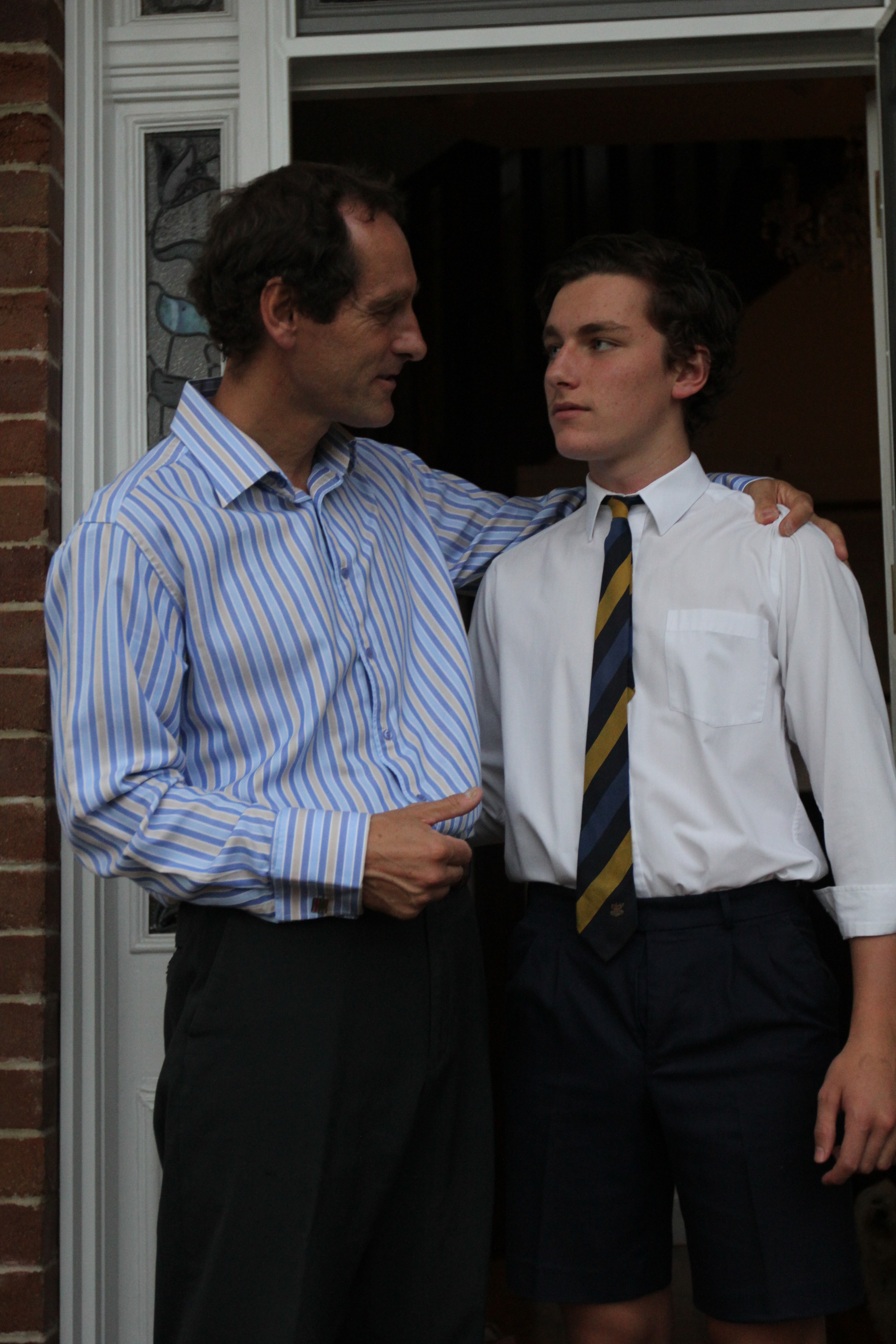
Anger is an emotion. Like other emotions, anger is neither good nor bad of itself. Yet because many people express anger in violent ways, anger has come to be viewed as a negative emotion. Learning how to express anger in positive ways is a sign of healthy and productive living. Positive strategies in this area are especially important today for adolescent males.
Today, violence among this age group and gender is at dangerous proportions. In the past 30 years, juvenile arrest rates for violent crimes have increased by nearly 300 percent. Arrest rates for males peak at age 16 and decline thereafter. Violence against oneself is also increasing among adolescents. Suicide is the second or third leading cause of death among teenagers in any given year (accidents are first; homicides are either second or third). From a developmental sense, these figures are not totally surprising: adolescence is a stage where males are attempting to prove themselves as men. Without positive male role models available to show productive ways of dealing with anger and channeling aggressive tendencies, the incidents and degrees of violence perpetrated by adolescents are likely to increase. Additionally, it is important to realise that violent crime is almost exclusively a male problem. Males make up over 90 percent of the prison population in the Australia and commit violent crime at 20 times the rate of females. The ability to deal positively with anger and channel aggressive energy in constructive rather than destructive ways are tasks an adolescent male must master if he is to become a mature man.
There are a variety of strategies for dealing with anger. This session explores the responses of aggression, passivity and assertion. Dealing with anger involves understanding aggressive energy, being able to talk about it, and being able to channel it well. This session is not merely about curbing aggressive impulses; it is also about learning to act assertively and express strength creatively rather than violently.
Session 4: Friendships with Girls and Women
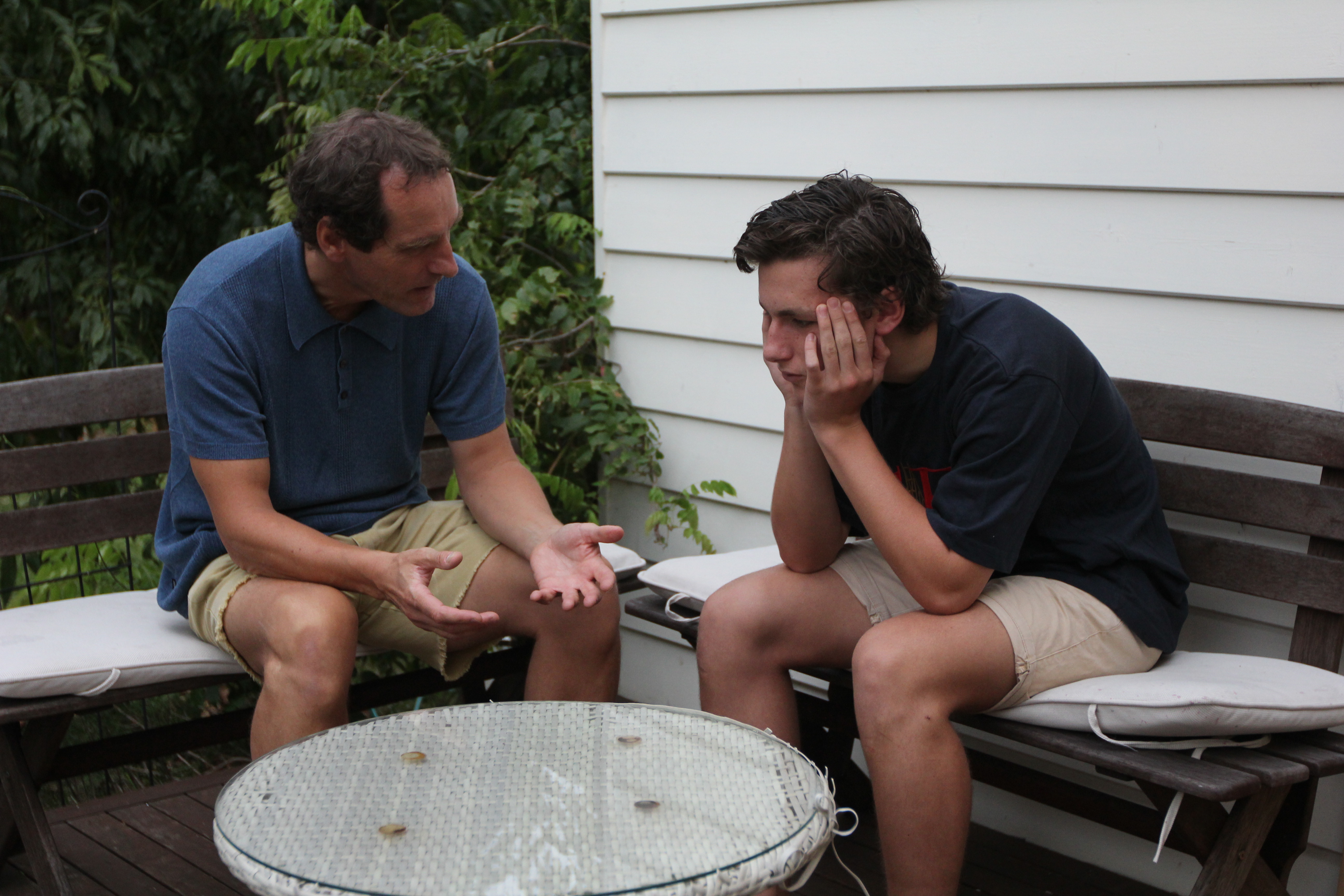
Nowadays the word “relationship” is often a code word for sexual relations. When a person speaks of “having a relationship,” these words often refer to a genital encounter. An analysis of adolescent sexuality is not the aim of this session. Rather, this session specifically addresses the area of friendship with women, another important aspect of relationship.
From about the age of three years old until puberty, boys and girls rarely choose to play together or form friendships with one another. Puberty not only initiates physical changes, but also alters how boys feel about girls and girls feel about boys. Many adolescent boys worry that their efforts to form friendships with girls will only end in failure, embarrassment, social disgrace or rejection. Many boys have gone years without communicating much with girls. In early adolescence, boys and girls need to be reacquainted with basic relational skills as they seek to establish new friendships with one another. Fortunately, the task is not as difficult as one might imagine. Adolescents usually have a great deal of experience in meeting people, making new friends, being friends and maintaining friendships with members of the same sex. These skills transfer well when the time comes for adolescent boys to form friendships with adolescent girls.
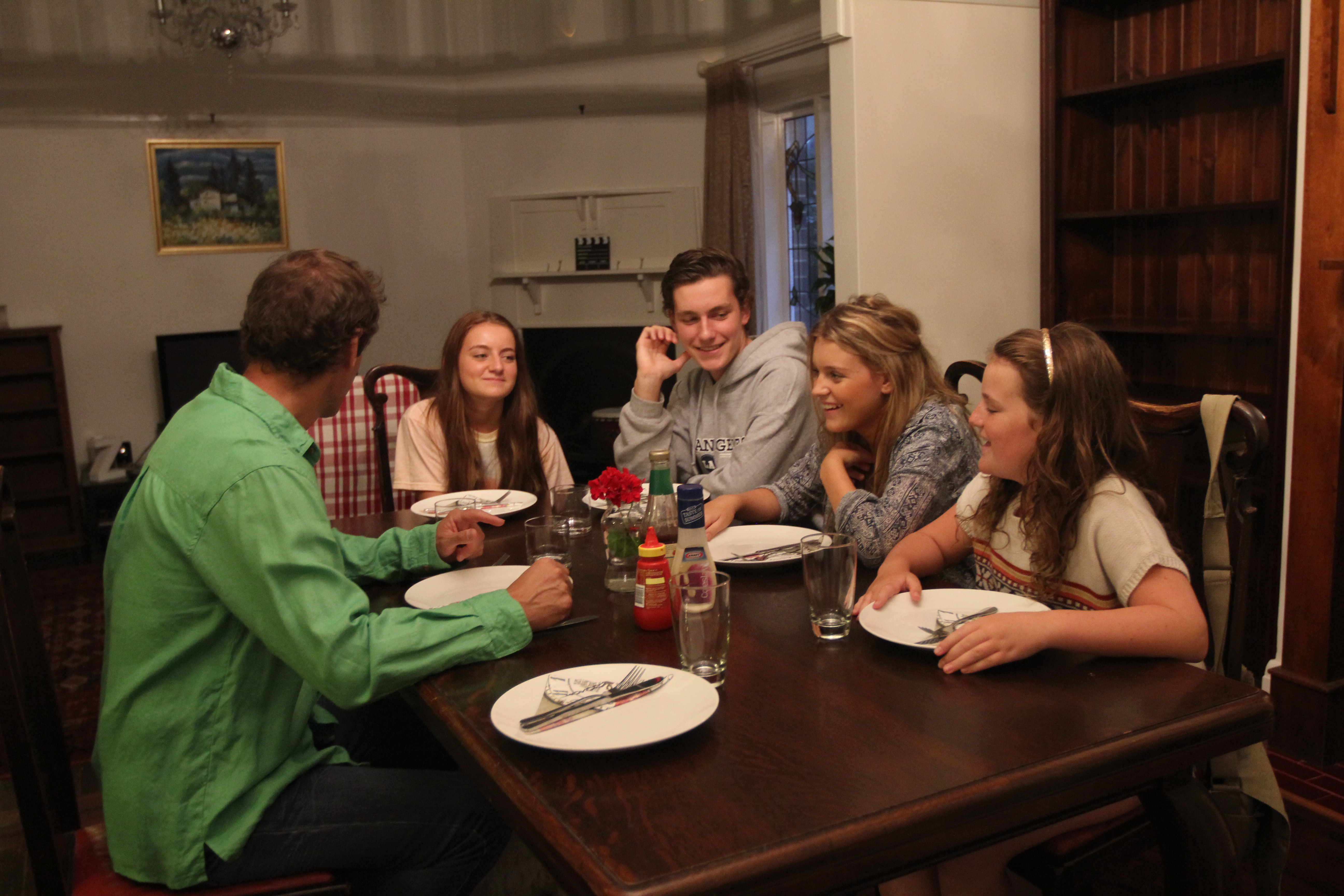
This session reviews the qualities and characteristics of true friendship. It offers encouragement for adolescents to review the skills they have already mastered for making same-sex friendships and use them as they form new relationships with the opposite sex. True friends respect one another; that is, they treat each other as they wish to be treated, with the dignity that any person deserves. This session explores these issues through the use of several interpersonal techniques, including a panel discussion focusing on some of the impediments to healthy male-female relationships.
Session 5: The Quest for Identity
The psychosocial task of adolescence and early adulthood is identity achievement—finding out who one is. For the male, adolescence is a period of great change, both physically and psychologically, as he relinquishes his identity as a boy and begins to take on his new identity as a man.
His identity, or his sense of self, is achieved through a self-reflective process by which the adolescent attempts to learn about himself through an understanding of his personal history, his place in the world and his possibilities for the future. This process of self-reflection is also a spiritual one. In the words of St. Anthony of Egypt: “For all who know themselves know that they are of one immortal substance.”
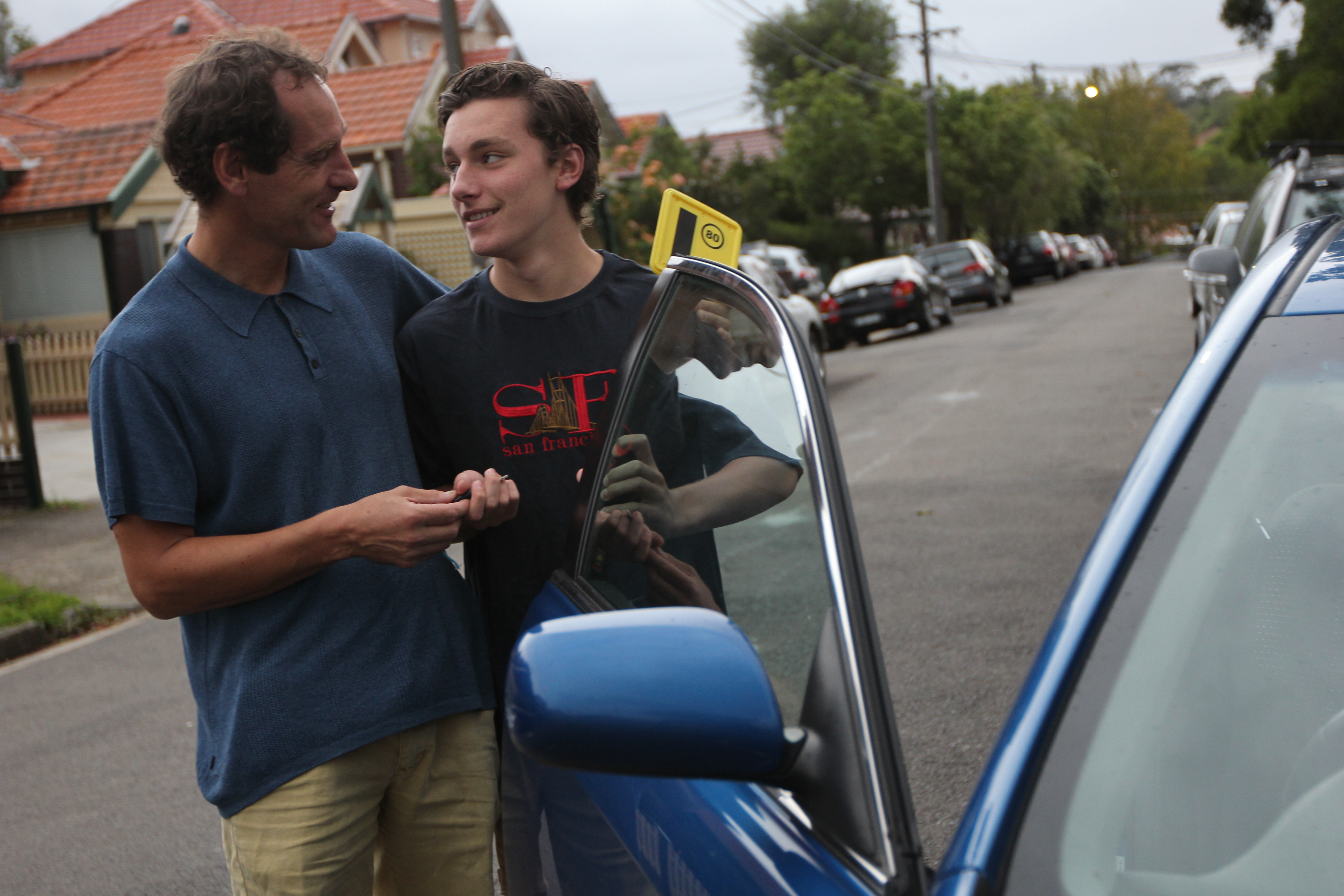
The process of identity achievement for an adolescent male usually takes up the whole of his teenage years, and often extends into early adulthood. It involves:
- deciding on and preparing for a future occupation;
- taking responsibility for himself and his actions;
- seeing himself in a socially acceptable role that embodies his own values and those of his community;
- being faithful to his commitments.
Identity achievement is a relational process as well as a subjective one. The adult generation has an important role to play in the identity struggles of adolescent children. Research shows that parents who clearly signal their ideals and values to their adolescent children, and who relate well to them, help them very much in the task of achieving personal identity.
One of the ways a father can assist his adolescent son achieve a secure sense of identity is to tell him the story of his birth and early infancy. For the vast majority of teens hearing this story, and hearing about how their parents felt about them, can give them a repository of basic hopefulness that will sustain them as they make their way into adult- hood. The story of the son’s unremembered self suggests a new future self he could shape for himself. In this session, the fathers share these stories with their sons. (Note: Special provisions are needed for teens attending the program with mentors. The mentor will need to meet the boy’s mother to learn the story of his birth and infancy, so that it can be shared during the session.)
Another aspect of identity achievement is the ongoing process of recognising and claiming one’s deepest aspirations. One of the important things a person does during adolescence is daydream about who he could be. In this way, he “tries on different hats” in his imagination and begins to work out what he aspires to. For instance, he might imagine himself as an actor, or a professional athlete, or a businessman, or a priest, or a father and so on. These aspirations are one way in which he begins to define himself. As he sifts his aspirations, discarding some and settling on others, they begin to shape his life and direct his actions, drawing him on. It is critical that the adolescent male not live out his father’s ambitions for him, or anyone else’s either. This session is designed to help each of the sons reflect on his life story and look at where he wants his life to lead.
Session 6: The Blessing Ritual
Everyone needs affirmation. We have a need to be recognised for our unique talents and gifts. Also, we have a need to be affirmed at times when our gifts and talents are not so visible. This is especially important for teenagers whose skin may be blemished with acne, whose dress and haircut are a cross between what is tolerated by parents and what is admired by peers, whose transition to secondary school has been difficult. Adolescent males, in particular, need to be noticed, affirmed, delighted in, and admired by their fathers and other suitable male role models from the family and the Christian community. Sons need to relate with their fathers on an intimate level, and to receive from them a sense of personal recognition as men-in-the-making. This is one meaning of blessing, to praise and desire good fortune for another person.

This final meeting between fathers and sons allows for mutual affirmation and a blessing of sons by fathers using several familiar liturgical rites. These rites can stand on their own or be used within a celebration of Eucharist. If you do choose to have a Eucharist, allow the priest the opportunity to sufficiently preview the material on these pages to familiarise himself with the major themes and rites of this liturgy. In addition, this final gathering of the participants provides them with the opportunity to offer an evaluation of the pro- gram and suggestions for future programs of this kind. After the blessing ritual, it is recommended that a party or opportunity for informal socialising be held so as to offer an upbeat end to the program. Several suggestions are offered in the section labeled “Social Event.”
Grandfathers. If some of the grandfathers can be present at the Blessing Ritual, then having the three generations participate can be a powerful symbol of fathering happening down the generations. The facilitators adjust the Blessing Ritual to include grandfathers.
 Between Fathers and Sons